

Many people are familiar with the McDonald’s hot coffee case (Stella Liebeck v. McDonald’s), which remains one of the most discussed personal injury lawsuits in U.S. history, even though it occurred in the 1990s.
In this case, 79-year-old Stella Liebeck spilled a cup of McDonald’s hot coffee on her lap. She was awarded $2.7 million in punitive damages and $200,000 in compensatory damages. While the $3 million award may sound excessive at first, the full story reveals important details about corporate negligence and consumer safety.
Key Points from the McDonald’s Hot Coffee Case
The Danger of Excessively Hot Coffee
McDonald’s served coffee at a much higher temperature than most people brew at home. The coffee was hot enough to cause third-degree burns almost instantly when spilled.
McDonald’s Knowledge of the Risk
During the trial, it was revealed that McDonald’s had received over 700 complaints about coffee burns before the Liebeck case. Despite this, they continued to serve coffee at dangerously high temperatures, believing it improved taste and shelf life.
Failure to Warn
McDonald’s did not include any warning on the coffee cups to inform customers of the potential for serious burns. This lack of warning contributed to the company’s liability.
The Severity of the Injuries
Ms. Liebeck suffered third-degree burns on her thighs, groin, and genital areas. She required hospitalization, skin grafts, and extensive medical treatment.
Reduced Damages
The jury initially awarded $2.7 million in punitive damages, which was later reduced to about $480,000. Liebeck’s compensatory damages were also reduced due to contributory negligence.
The Public Perception vs. The Reality
While many saw this case as a frivolous lawsuit, the facts reveal that McDonald’s was aware of the risks associated with its coffee but chose profit over consumer safety. Despite the negative media portrayal, the case sheds light on important issues of corporate negligence and consumer protection.
Warning Labels and Legal Precedents
This case is a reminder of how warning labels exist because of previous lawsuits. Some labels may seem unnecessary or even comical, like the one on chainsaws warning against grabbing the blade.
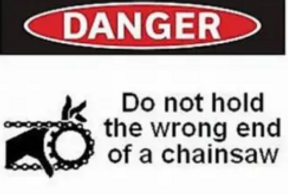
Similarly, in the 1970s, microwave ovens carried the label, “Do not dry pets in microwave.”
Comedian Jerry Seinfeld even joked about a Superman Halloween mask with a warning: “Do not attempt to fly.”
These labels exist because of real incidents, and while not every risk leads to legal action, manufacturers can be held accountable if a product is found defective or dangerous.
The Bigger Lesson: Consumer Protection Matters
The McDonald’s hot coffee case is more than just a punchline. It highlights the importance of corporate responsibility, consumer safety, and the role of warnings on products.
If you believe you have a product liability claim involving a serious injury, don’t hesitate to contact us at Wallace Smith.